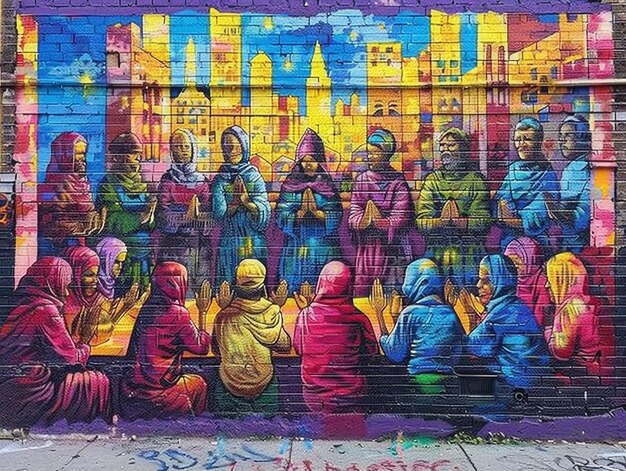
Walk through downtown Atlanta on any given afternoon and you'll encounter walls that speak. A mural stretches across a brick facade, its colors catching the light. Inside a nearby gallery, new work hangs in carefully lit rooms. This summer, the city's art scene is stepping forward—galleries and public murals drawing people into conversations about identity, community, and what matters now.
The shift reflects a broader appetite in Atlanta for art that exists beyond white-box gallery walls. Murals cover neighborhoods from east to west. Galleries are experimenting with outdoor installations and community-focused shows. For residents and visitors alike, the result is art that doesn't require a plan to encounter—it's there, on the street, asking to be seen.
Atlanta has always had artists. What's changed is visibility and intention. Gallery owners and public art organizers are coordinating efforts, treating the city itself as a canvas and a conversation space. Summer is the season when foot traffic rises, when people move through neighborhoods on foot, when the light holds longer into the evening.
This coordination matters because it signals that art institutions and grassroots creators see value in the same thing: making work accessible. A person walking to a coffee shop encounters a mural. That same person might wander into a gallery and stay for an hour. The boundaries between casual and deliberate art consumption blur.
Indoor gallery spaces are experimenting with format. Some are opening their doors for extended hours. Others are hosting artist talks and open studio sessions that invite conversation rather than passive viewing. The effect is a softening of the gallery experience—less velvet rope, more dialogue.
Organizers have described a shift toward showing work by local artists and work that engages with local themes. This isn't a new idea, but the emphasis is intensifying. For emerging artists, it means opportunity. For residents, it means seeing themselves and their neighborhoods reflected in professional exhibition spaces.
The murals taking over Atlanta's walls are not decoration. They're assertions. Some respond to current events; others honor community history or celebrate cultural heritage. The scale—stories tall, blocks long—demands attention in a way a gallery painting cannot.
Creating public murals requires permissions, permissions require relationships with property owners and city officials, and those relationships take time to build. What's visible now represents months or years of organizing. The artists painting these walls are treating the city as their medium.
The summer season intensifies this work. Better weather, longer days, and larger crowds mean more eyes on completed murals and more opportunities for artists to work without interruption. A mural finished in June can be part of the cultural landscape all summer long.
Different parts of Atlanta are developing distinct artistic identities through this work. Some neighborhoods are becoming known for certain styles or themes. Residents notice. They walk differently. They photograph. They talk about what's appearing on their blocks.
This matters because public art and gallery work together to create cultural density. A strong gallery scene alone can feel insular. A few murals alone might read as decoration. Together, they suggest a city where visual culture is part of everyday life—not a luxury, not a special trip, but a constant presence.
Summer is not permanent. The season will fade. Some murals will weather; galleries will close or rotate their focus. But the infrastructure being built now—the relationships between institutions, artists, and communities—doesn't disappear with the temperature.
For Atlanta, art is becoming a language the city speaks fluently. Galleries and public murals are the grammar. This summer, that conversation is particularly loud.