Atlanta's transit system is undergoing significant changes as MARTA prepares to roll out new rail vehicles and restructure its bus network. For commuters who rely on the system daily, understanding what's coming can help with planning trips and adapting to service adjustments during the transition.
The overhaul represents one of the most comprehensive modernization efforts the transit agency has undertaken in recent years. Both the rail and bus components will see upgrades aimed at improving reliability, capacity, and how the network serves the region.
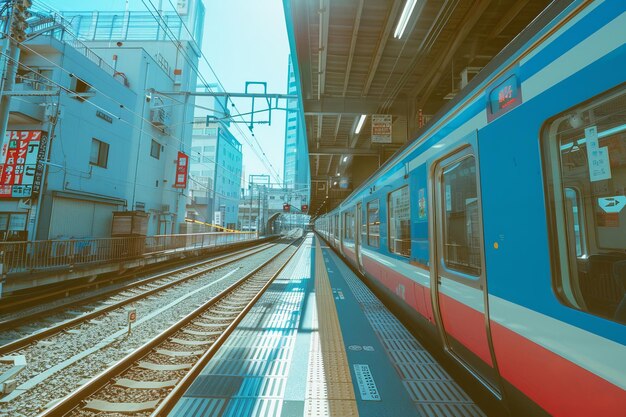
MARTA's aging rail cars are being replaced with modern equipment designed to handle today's ridership demands. The new trains will offer increased capacity compared to the older vehicles currently in service, which matters for commuters navigating peak hours when crowding is common.
The introduction of new rail vehicles will occur in phases rather than all at once. This staged approach means some disruptions during deployment, but it also allows the agency to test operations and integrate new cars into service without shutting down entire lines. Riders should expect occasional schedule adjustments and service notifications as the transition takes place.
The new trains include updated safety features and climate control systems, improvements that long-time MARTA passengers have noted as necessary. For commuters making daily trips, the vehicles are designed to reduce wait times and provide more comfortable conditions, particularly during the summer months when the system experiences heavy ridership.
The bus side of MARTA's 2026 plans involves a major restructuring of routes and service patterns. The agency is evaluating how buses currently serve the region and redesigning the network to improve frequency on high-demand corridors while adjusting service to areas with changing commute patterns.
This redesign means some riders will see their routes change, while others may gain new direct service options. The goal is to make bus service more efficient and responsive to where people actually need to travel. During the transition period, riders should monitor service alerts and plan extra time for trips if their usual routes are affected.
Enhanced bus frequency on major corridors is part of the plan. More frequent service means shorter waits and more flexibility in when commuters can board. However, some routes may see consolidation as the network is optimized, so checking schedules is important for anyone using less-traveled services.
As these changes approach, riders relying on MARTA should stay informed through official agency communications. Service alerts, route maps, and timelines for changes are typically announced well in advance, giving commuters time to adjust their travel habits.
For those considering transit alternatives during peak disruption periods, understanding backup routes and timing options in advance can reduce frustration. Carpooling, flexible work schedules, or alternative transportation modes may be worth exploring if your usual transit route faces temporary adjustments.
The modernization effort reflects MARTA's commitment to serving a growing metropolitan area with increasingly complex transportation demands. While change brings temporary inconvenience, the result is intended to be a more reliable and user-friendly system for the hundreds of thousands of residents who depend on transit to get around Atlanta.